BRITAIN BENEATH · GUIDE · 8 OCTOBER 2026
Elsecar: The Mine Workshops With a Private Station for the Earl
Elsecar repaired equipment for mines and ironworks. Its private station served the Earl’s guests, while excursion trains took workers and their families to the seaside.
Based on published records and visitor information. We have not visited these places.
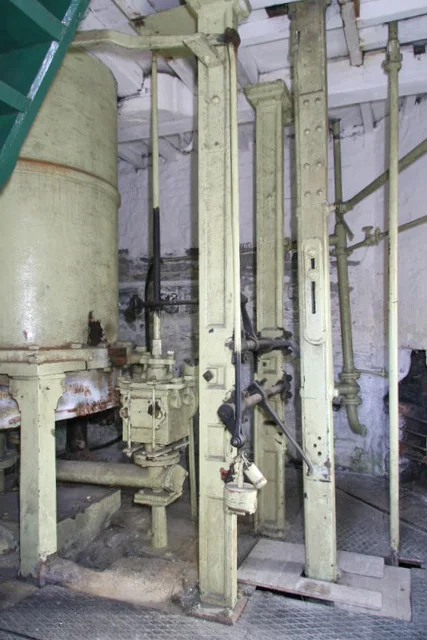
Part of Elsecar’s Newcomen engine in October 2006, before later restoration.
Elsecar Newcomen engine by Chris Allen · CC BY-SA 2.0. Converted to WebP for faster loading; no cropping.

The mines needed repairs
Elsecar had a private railway station for the Earl and his guests, beside workshops serving his industrial estate. The yard brought carpenters, joiners and blacksmiths together to repair equipment for mines, ironworks and transport routes.
The railway carried more than industrial goods. Elsecar Heritage Centre describes seaside excursion trains for workers and their families. Guests arrived to see the estate; families used trains to leave it for a day out.
The mines and workshops have closed, but many of the buildings survive. Shops, studios and cafés now occupy the repair yard, and the visitor centre explains the trades once gathered there.
- Historic England — Elsecar station, offices and housing ↗ · reviewed 2026-09-27
- Elsecar Heritage Centre — then and now ↗ · reviewed 2026-09-27
- The birth of industrial Elsecar ↗ · reviewed 2026-09-27
- Elsecar Heritage Centre — conservation and reuse ↗ · reviewed 2026-09-27
- Elsecar visitor centre opening, 10 July 2025 ↗ · reviewed 2026-09-27
- Elsecar Heritage Centre — visiting ↗ · reviewed 2026-09-27
- Elsecar — accessibility ↗ · reviewed 2026-09-27
- Elsecar — current event programme ↗ · reviewed 2026-09-27
Work came to the yard
The New Yard was built in the 1850s near wagon routes, a canal and a railway. Those links connected the repair workshops with other parts of the industrial estate.
Carpenters, joiners and blacksmiths shared a repair centre. The museum’s account describes the large carpenters’ workshop later being used for engines, boilers and machine repairs.
- Historic England — Elsecar station, offices and housing ↗ · reviewed 2026-09-27
- Elsecar Heritage Centre — then and now ↗ · reviewed 2026-09-27
The engine that pumped water
Elsecar’s early steam engine, known as a Newcomen engine, pumped water from the mine. Other machines raised the coal. The engine still stands in its original house over the shaft it served.
Electric pumps took over in 1923, with the old engine kept as a backup. Restoration completed in 2014 allows visitors to see its movement using a modern system, rather than the old steam supply.
- Historic England — The former Elsecar New Colliery, including the Elsecar Newcomen Engine ↗ · reviewed 2026-09-27
- The birth of industrial Elsecar ↗ · reviewed 2026-09-27
Trains for the Earl and the workers
The entrance buildings included a private station for the Earl and his guests. The Fitzwilliam family wanted visitors to see industrial Elsecar.
Trains served workers too. The operator describes seaside excursion trains for workers and their families. The line carried people on days out as well as coal and equipment.
- Historic England — Elsecar station, offices and housing ↗ · reviewed 2026-09-27
- The birth of industrial Elsecar ↗ · reviewed 2026-09-27
The yard’s new life
Elsecar Main Colliery closed in 1983. The workshops closed in 1985. Barnsley Council and local volunteers helped save the buildings. A heritage centre opened in the 1990s, followed by a new visitor centre in July 2025.
Start at the visitor centre, then explore the public yard. Admission is currently listed as free. Shops and other businesses have their own hours. We have not confirmed general tours inside the old private station rooms.
Ask separately about engine visits and demonstrations. We have not confirmed a current running date. Drainage works and temporary walkways have been reported. Follow signs and access advice around cobbles and changes in level.
Stay within public areas and out of private rooms, work areas and mine workings. The workshop buildings now hold new businesses. Their repair-yard history explains why so many trades were gathered beside the mines.
- Elsecar Heritage Centre — conservation and reuse ↗ · reviewed 2026-09-27
- Elsecar visitor centre opening, 10 July 2025 ↗ · reviewed 2026-09-27
- Elsecar Heritage Centre — visiting ↗ · reviewed 2026-09-27
- Elsecar — accessibility ↗ · reviewed 2026-09-27
- Elsecar — current event programme ↗ · reviewed 2026-09-27
Sources and further reading
Historic England and Elsecar Heritage Centre sources were checked on 27 September 2026. We have not visited or confirmed visitor arrangements directly with staff. Sources differ on the private station’s date and which Hartop was involved in the workshops. We leave those points unsettled. The engine uses a modern system to show movement, not its old steam supply. We have not confirmed a current engine running day or a general tour inside the station. The 2 place records below give more information.
- The former Elsecar New Colliery, including the Elsecar Newcomen Engine — 1004790
- Buildings 13-14, former railway station, offices, housing and gate piers at Elsecar Central Workshops — 1191337
You can follow the links to read the original sources. Sources and permissions.